
What is vaping?
What is vaping : its history, techniques, types, health effects, and the cultural debate surrounding it.
Have you heard of vaping? Vaping devices (electronic cigarettes) have become a part of our daily lives in recent years. They have become widespread as an alternative to traditional smoking, and now have users from all age groups.
Simply put, a vape is a device that heats a special liquid containing flavors and (optional) nicotine to produce vapor that can be inhaled instead of cigarette smoke. Many believe it's a less harmful alternative to regular smoking , but scientists are still studying its long-term health effects.
These devices have evolved remarkably – from simple, cigarette-like designs to sophisticated devices with precise control. In this article, we'll take you on a comprehensive journey to explore the world of vaping from every angle.
Summary of key points
A vape is a battery-powered device that heats a special liquid to produce inhalable vapor.
Many people use it as an alternative to regular cigarettes to quit smoking.
Available in various shapes and sizes, from small, ready-made swipes to sophisticated devices.
According to British health authorities, vaping is 95% less harmful than traditional cigarettes.
There is ongoing debate about its impact on the health of users, especially young people.
Vaping through time
How did the story of vaping begin?
Did you know that the idea of vaping isn't as new as we might think? The first attempts began in the 1950s, when inventors tried to find a less harmful alternative to cigarettes. But the real story began in 2003, when Chinese pharmacist Hon Lik invented the first real vaping device after his father died of lung cancer! His goal was noble: to help smokers break this deadly habit.
The first device was very simple compared to what we see today—just a battery that supplied electricity to a heating element, which converted the e-liquid into vapor. And you might be wondering about the origin of the word "vape"—it's simply short for "vaping," which means the act of inhaling vapor instead of smoke.
This word spread quickly among early users and became part of our everyday language, especially with the increasing popularity of these devices as an alternative to traditional smoking.
How did vaping transform from a mere device into an entire culture?
At the beginning of 2010, we witnessed an incredible evolution in the world of vaping. Devices began to shed their traditional cigarette -like shape, and entirely new models emerged that allowed you to control the vapor strength and temperature! Imagine – users could now customize their vaping experience exactly how they wanted it.
What's interesting is that vaping has gone beyond being just an alternative to smoking; it has become a hobby and a passion for many. Entire communities have emerged online and in the real world, where members share experiences and advice on the best devices, flavors, and usage techniques.
It even reached the point of holding "cloud-popping" competitions since 2014, where participants compete to produce the biggest and most beautiful cloud of vapor! With this new culture, special terms have emerged that have become part of the vaping user's lexicon, such as "cloud" and "hit" and other terms that may seem strange to non-users.
How does vaping work? An inside look
What's inside a vape device?
Let's simplify things and learn about the components of a vape device in an easy way. Any vape device consists of four main parts:
- The battery - the heart of the device and the source of power, can be recharged like a phone battery.
- Liquid reservoir - the place where the liquid flavor is placed (called Tank or Pod).
- The heating coil - the magic piece of wire that heats up and turns the liquid into steam.
- Inhalation port - the part you put over your mouth to inhale steam.
The idea is very simple: when you press the device's button (or when you draw air in automatic devices), energy is transferred from the battery to the heating coil, which heats up to temperatures of up to 300 degrees Celsius, turning the liquid into vapor that you breathe.
The market now offers a wide range of sizes and designs - from small, pocket-sized USB-like devices to large mods that give you complete control over the amount, power, and even temperature of vapor!
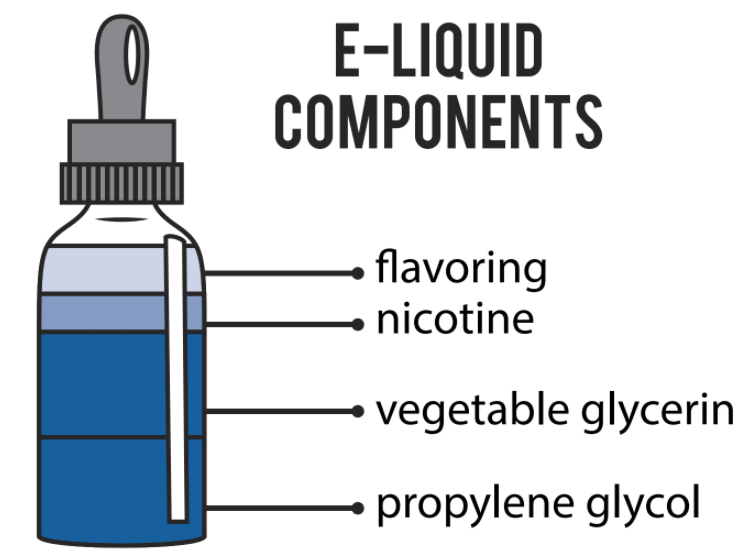
What are the components of vaping liquid?
E-liquid (or flavor, as some call it) is the magic ingredient that gives vaping its distinctive taste. But what's inside those colorful bottles?
The liquid is mainly composed of four components:
- Propylene glycol (PG) - a colorless and odorless liquid that helps to impart flavor.
- Vegetable glycerin (VG) - a thicker liquid, which gives the vapor its characteristic density.
- Flavors - Thousands of different flavors (fruits, sweets, drinks, tobacco).
- Nicotine (optional) - in varying concentrations according to the user's preference, and can be completely dispensed with.
Interestingly, the proportions of ingredients vary between different liquids - some contain a higher proportion of propylene glycol (PG) to enhance flavor, and some contain a higher proportion of vegetable glycerin (VG) to produce denser vapor.
It is worth noting that some studies have indicated the presence of secondary compounds such as formaldehyde and acrolein when these liquids are heated to very high temperatures, which makes using the devices according to the instructions essential.
The evolution of vaping devices : from simple to complex
First Generation - The Beginning of the Electronic Revolution
When vaping devices first appeared, they were very simple and resembled regular cigarettes in shape—some even called them "cigar-like." These devices were easy to use: you simply inhaled as you would with a regular cigarette, but they were limited in battery capacity, e-liquid quantity, and vapor production.
Its advantages included its lightweight design and portability, making it ideal for beginners wanting to try vaping for the first time without complications. However, its main drawbacks were its weak battery and the need for frequent cartridge replacements.
The second generation - between simplicity and development
As vaping grew in popularity, the need arose for more advanced devices. The second generation brought significant improvements such as more powerful batteries and the ability to refill the liquid instead of replacing cartridges.
Among the most popular of these devices are "vape pens," which offer a much better user experience while remaining easy to use. If you're a former smoker looking for a practical alternative, these devices offer a great balance between simplicity and performance.
Third Generation - The World of Professionals
This is where the real revolution began! Mods are advanced vaping devices that allow the user to customize every aspect of the vaping experience: power, temperature, and even the heating curve!
These devices feature digital displays, powerful batteries, and large e-liquid tanks, offering the best possible performance in terms of flavor and vapor production. However, they are larger and more complex to use, making them best suited for experienced users seeking the ultimate vaping experience.
The latest vaping innovations - what does the future hold?
The world of vaping never stops evolving! Manufacturers are constantly working to introduce new technologies that make the experience better and safer. Some of the latest innovations include:
- Laser heating technology instead of traditional coils, reducing the emitted harmful substances.
- Microwave control systems for extremely precise temperature adjustment.
- Touchscreens and smart application interfaces connected to the phone.
Tests conducted by NextGen Vaping in 2024 showed that these new technologies reduced the production of harmful substances such as formaldehyde by up to 80% compared to traditional devices!
It appears that the future of vaping will be more secure and personalized, with devices that adapt to each user's needs and preferences.
Vaping and Health: Between Facts and Concerns
Compared to traditional cigarettes - what's the difference?
Let's be clear: vaping is not risk-free, but numerous studies indicate it is less harmful than regular cigarettes. According to Public Health England, vaping is 95% less harmful than traditional cigarettes.
The main reason? The absence of combustion! When you burn a cigarette, you produce thousands of harmful chemicals, including tar and carbon monoxide - these substances are not present in vaping vapor.
But this doesn't mean vaping is completely safe. A recent study from the University of California (2024) found that vapers have a 30% increased risk of developing bronchitis compared to non-smokers. The main challenge is that vaping is relatively new, and we are still discovering its long-term effects.
The effect of vaping on the cardiovascular system
Nicotine (found in most vaping liquids) affects heart health regardless of how it is consumed. The American Heart Association revealed in 2023 that vaping can increase artery stiffness by 15% after just 30 minutes of use!
The reason is simple: Nicotine stimulates the release of hormones like adrenaline, which raise blood pressure and heart rate. Therefore, if you have heart problems, you should think carefully before using vaping devices containing nicotine.
How does vaping affect the lungs?
The lungs are the organ most exposed to vaping vapor, so it's natural to be concerned about its effects on them. Vaping vapor contains very small nanoparticles (less than 100 nanometers) – so small that they can penetrate the deepest parts of the lungs.
A study published in the medical journal Thorax in 2024 found that continuous exposure to these particles may impair the ability of immune cells in the lungs (phagocytes) by up to 40%. This means the body may become less able to fight bacterial and viral infections in the lungs.
It has been observed that some flavors, particularly sweet fruit flavors, may increase inflammation in lung tissue by up to 50% compared to unflavored liquids. Therefore, even if vaping is less harmful than cigarettes, it is not risk-free.
Vaping as a way to quit smoking
Does vaping really help in quitting cigarettes?
If you're a smoker and thinking about quitting, you might be wondering: Is vaping an effective option? The short answer is: Yes, but...
Many ex-smokers confirm that vaping helped them successfully quit smoking. The main reason is that vaping addresses two aspects of addiction:
- Physical nicotine addiction - You can get nicotine from vaping while gradually reducing its intake.
- Behavioral addiction - Vaping mimics the usual smoking movements and the sensation of smoke in the throat.
A great feature of vaping is that you can precisely control the amount of nicotine. You can start with a concentration similar to what you're used to with cigarettes, then gradually reduce it until you reach zero. This gradual approach is more successful than quitting abruptly, which is difficult for many people.
But let's be honest: vaping isn't a magic bullet, and its effectiveness varies from person to person. Some find it difficult to switch from cigarettes to vaping, while others may simply replace their cigarette addiction with a vaping addiction.
Vaping and society: issues and challenges
The phenomenon of vaping among young people - alarming figures!
One of the biggest concerns surrounding the spread of vaping is its appeal to young people. According to 2024 statistics from the Saudi Ministry of Health, 37% of vapers aged 18-24 had never smoked traditional cigarettes! This raises serious concerns: Has vaping become a gateway to addiction rather than a means of quitting?
Studies attribute this prevalence among young people to several reasons:
- Attractive and varied flavors (fruits, sweets, drinks).
- Marketing through social media and influencers.
- Modern and elegant device design.
- The misconception that vaping is completely safe.
In response to this concern, the Saudi Food and Drug Authority took a bold step in 2022 by banning the sale of flavors targeting minors, such as "sweet cotton" and "soft drink" flavors.
Vaping regulations in Saudi Arabia
The 2023 anti-smoking regulations govern the use of vaping in the Kingdom, and set out the following rules:
- Vaping is prohibited in enclosed public spaces.
- The sale of vaping products to those under 18 years of age is prohibited.
Starting in January 2024, the General Authority of Customs imposed a 100% customs duty on all imported vaping devices, in an attempt to limit their spread and regulate the market.
Practical tips for using vaping safely
How to use vaping safely?
Whether you're a new user or experienced, these tips will help you avoid common problems and achieve the best experience:
Device and battery protection:
- Keep the vape away from direct heat - excessive heat can cause the battery to explode in rare cases.
- Use only high-quality batteries and chargers - don't sacrifice safety for a few riyals!
- Do not leave the device in the car during hot summer days, as high temperatures are very dangerous for the batteries.
Tips for daily maintenance:
- Clean the liquid tank regularly to remove residue that may affect the flavor and cause health problems.
- Replace the heating coil when a burning taste starts to appear - usually every week or two depending on usage.
- Make sure to store e-liquids out of reach of children and pets .
Before purchasing:
- Buy vaping products only from trusted sources - counterfeit products may contain unsafe materials.
- Read the usage instructions carefully before operating any new device.
- Make sure the product conforms to Saudi specifications and carries appropriate warning labels.
Future trends and emerging alternatives
Trends towards artificial nicotine
Some brands have begun introducing e-liquids containing synthetic nicotine (such as 6-methylnicotine), which manufacturers claim is less addictive. However, a recent report from the World Health Organization warned that there is insufficient research on its long-term effects.
Frequently Asked Questions
What is vaping and what are its types?
Vaping is the use of a small, battery-powered device to heat a liquid containing nicotine and flavorings to produce a vapor that is inhaled. Vaping is considered an alternative to traditional smoking and helps people quit tobacco. Types of vapes include devices that resemble traditional cigarettes and more advanced devices such as mods and sophisticated vaporizers.
What is meant by the word vape?
The term "vaping" is short for " vaping " and refers to the act of inhaling vapor produced by a vaping device. The term "vaping" is commonly used in vaping communities.
When did vaping begin?
Vaping dates back to 2003 when the first commercial vape device was invented. Since then, vape devices have been developed as an alternative to traditional smoking and to simulate the smoking experience without burning tobacco.
What are the types of electronic liquids?
The e-liquids used in vaping devices contain propylene glycol, glycerin, nicotine, flavorings, and additives. E-liquids vary in nicotine content and the range of flavors available.
What is the best vape shop in Saudi Arabia?
Al Qalaa Vape Store is considered the best vape store in Saudi Arabia, based on the evaluation of more than 50,000 customers, for its excellence in customer service and selling original products with after-sales services that include warranty and explanations.
To explore a wide selection of the best vaping devices and flavors, you can visit our store or check out our article.
What is vaping and what are its types?
Vaping is the use of a small, battery-powered device to heat a liquid containing nicotine and flavorings to produce a vapor that is inhaled. Vaping is considered an alternative to traditional smoking and helps people quit tobacco. Types of vapes include devices that resemble traditional cigarettes and more advanced devices such as mods and sophisticated vaporizers.
What is meant by the word vape?
The term "vaping" is short for "vaping" and refers to the act of inhaling vapor produced by a vaping device. The term "vaping" is commonly used in vaping communities.
When did vaping begin?
Vaping dates back to 2003 when the first commercial vape device was invented. Since then, vape devices have been developed as an alternative to traditional smoking and to simulate the smoking experience without burning tobacco.
What types of vaping devices and technologies are used?
Vaping devices are available in a wide variety of designs and sizes. Types include traditional e-cigarettes, which resemble conventional cigarettes in size and shape, and more advanced devices such as mods, which feature a screen and control button for adjusting vapor and nicotine settings.
What are the types of electronic liquids ?
The e-liquids used in vaping devices contain propylene glycol, glycerin, nicotine, flavorings, and additives. E-liquids vary in nicotine content and the range of flavors available.
What are the different types of electronic cigarettes?
Electronic cigarettes include devices that resemble traditional cigarettes in size and shape, and also include advanced electronic cigarettes that feature sophisticated designs and advanced adjustment capabilities to control vapor and nicotine settings.
What is the first generation of vaping?
The first generation of vaping devices represents the very beginning of the vaping industry. This first generation includes devices resembling hookah sticks and disposable lithium-ion battery-powered devices. These early-generation devices were simply designed and contained rechargeable batteries and cartridges filled with e-liquid.
What is the second generation of vaping devices?
The second generation of vaping devices is an evolution of the first, incorporating improved technologies and features. Second-generation vaping devices include a vaping device with a reservoir filled with e-liquid. These devices also allow for customization of settings to achieve the user's preferred vaping experience.
What is the third generation of vaping and improved vaping devices?
The third generation of vaping devices includes mods and advanced vaporizers. Mods are larger vaping devices with a screen and control button that allows for adjusting vapor and nicotine settings. Mods contain powerful rechargeable batteries and a large tank that allows for a large e-liquid capacity.
What are the latest innovations in the world of vaping?
In the world of vaping, technology is constantly evolving with the emergence of new innovations. Among the latest innovations in vaping are smart cards, touchscreens, and advanced user interfaces for vaping devices.
What are some tips for using vaping safely?
To enjoy vaping safely, avoid flammable liquids, handle batteries properly, and perform regular maintenance on your vaping devices. It is recommended to read and follow the manufacturer's instructions carefully and to verify the quality and safety of the products used.
Can vaping be used as a way to quit smoking?
Yes, many people use vaping as a way to quit traditional smoking. Vaping offers a similar experience to traditional smoking and the possibility of gradually reducing nicotine intake.
Is vaping effective in helping people quit smoking?
There is still debate about the effectiveness of vaping in helping people quit smoking and reduce nicotine cravings.
Are the dangers of vaping similar to those of smoking?
Vaping is considered at least 95% less harmful than smoking, according to the British Department of Health, as per the following report .
How long does vaping stay in the bloodstream?
Vaping contains nicotine, and the body usually gets rid of nicotine immediately after stopping within 3-4 days.
Does vaping cause weight gain?
There are no studies that confirm or deny this information, and the matter is still under investigation.
Do vaping and shisha cause diabetes?
There are no studies that confirm or deny this information, and the matter is still under investigation.
What are the symptoms of quitting smoking?
You may experience strong cravings for smoking, mild headaches, hunger, fatigue, and lack of sleep; these are all minor symptoms that you can overcome with determination.
Summary
Vaping presents a complex public health challenge, combining elements of modern technology with undefined health risks. While evidence suggests its effectiveness as a smoking cessation tool for some groups, serious concerns remain about its impact on young people and the potential harm to their respiratory and cardiovascular systems.
Addressing this phenomenon requires a balanced approach that combines rigorous scientific research, sound legislation, and targeted awareness campaigns. The future of vaping will depend heavily on the development of safer heating systems and a deeper understanding of the chemical reactions resulting from the vaporization of e-liquids.